When your business owns its physical facility, you have to become a building manager as well as a business operator. That means paying attention to things like your roof, and a sound roof is one of the most important investments your business can make. It covers your entire building, protecting your inventory, equipment, assets, employees, and customers. Unfortunately, damage or other problems with commercial roofs often go unnoticed until a major issue arises. This is a costly mistake.
At Precision Gutters and Roofing, serving North Idaho and Eastern Washington, we’ve helped countless businesses prevent expensive damage by recognizing early warning signs of a compromised roof. Staying proactive can save you thousands in repairs and prevent disruptions to your daily operations.
Here are the most common signs that your commercial roof needs attention, and why we strongly recommend that your business include annual roof inspections as one of your operating budget items.
1. Water Stains or Leaks Indoors
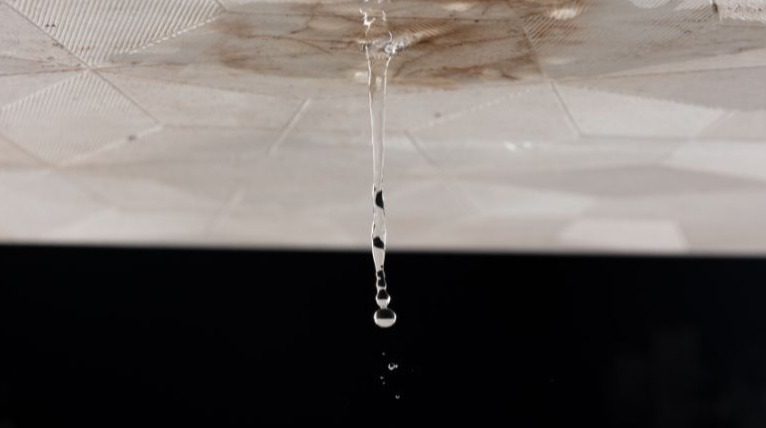
If you notice water stains on ceilings, walls, or around skylights, it’s a clear sign your roof may be compromised. Even small leaks can indicate underlying damage such as failing membranes, punctures, or deteriorating seams. Left untreated, leaks can lead to mold, electrical hazards, and structural issues.
2. Ponding Water on the Roof Surface
Flat or low-slope commercial roofs are especially prone to ponding water, that is, sections of the roof where water collects and sits for more than 48 hours after rain or snowmelt. This standing water can weaken roofing materials, accelerate deterioration, and add excess weight to the structure. Proper drainage is essential to avoid long-term damage.
3. Blistering, Bubbling, or Cracking
Commercial roofing materials such as TPO, EPDM, and built-up roofing can develop blisters or bubbles when air or moisture becomes trapped beneath the surface. Cracks may also form due to UV exposure or temperature fluctuations. These issues compromise the roof’s protective layer and can lead to leaks if not addressed promptly.
4. Damaged or Worn Flashing
Flashing is installed around vents, HVAC units, chimneys, skylights, and roof edges to prevent water intrusion. If flashing becomes loose, corroded, or cracked, water can easily penetrate vulnerable areas. Damaged flashing is one of the most common causes of commercial roof leaks.
5. Increased Energy Bills
A failing commercial roof can affect insulation and ventilation, making it harder to regulate indoor temperatures. If your energy costs suddenly spike, your roof system could be losing efficiency. Poor insulation or gaps in the roofing membrane may be allowing heat to escape in winter or infiltrate in summer.
6. Mold, Mildew, or Musty Odors
Any sign of mold or mildew inside your building should be addressed immediately. These issues often indicate hidden moisture problems caused by roof leaks. Mold growth can lead to poor indoor air quality and health concerns for employees and customers.
7. Loose, Missing, or Damaged Roofing Material
Whether your building uses shingles, metal, or membrane roofing, visible wear is a key sign that attention is needed. Wind damage, UV exposure, and aging materials can all cause sections of the roof to deteriorate. If you notice loose panels, missing shingles, or worn membrane areas, it’s time to call in a professional. Noticeable damage can also affect the public’s perception of your business, so even if the damage is only cosmetic, it pays to get it repaired.
8. Aging Roof System
Commercial roofs are pretty tough, but even they have a limited lifespan depending on the materials used:
-
TPO/EPDM: 20–30 years
-
Metal: 40–60 years
-
Built-Up Roofing (BUR): 15–25 years
If your commercial roof is approaching its expected age range, regular inspections become even more important. Aging roofs are far more likely to develop leaks, cracks, and structural issues.
9. Clogged Gutters or Downspouts
Commercial buildings frequently have a larger footprint than homes, and they often have much simpler roof structures. As a result, they also have large gutter systems that must manage significant water volume. When gutters or downspouts become clogged with debris, water backs up and can seep under roofing materials or overflow onto siding and walkways. Routine gutter maintenance is essential to protect your commercial roof.
10. Interior Temperature Fluctuations
If certain areas of your building are suddenly too hot, too cold, or difficult to regulate, your roof’s insulation or ventilation may be compromised. These issues can develop slowly but often point to larger underlying roofing problems.
Protect Your Investment with Precision Gutters and Roofing
Commercial roofing issues can escalate quickly, affecting employee comfort, business operations, and overall safety. The good news is that early detection can prevent costly repairs and delay having to get a full roof replacement.
At Precision Gutters and Roofing, we proudly serve businesses throughout North Idaho and Eastern Washington. Our team offers professional inspections, repairs, maintenance, and complete roof replacements for all types of commercial buildings. We’re committed to quality, reliability, and supporting the local community we’ve been part of for many years.
If you’ve noticed any of these warning signs or simply want peace of mind for your commercial building, contact Precision Gutters and Roofing today to schedule a commercial roof inspection. Protect your building, your budget, and your business with help from the experts.